2026-07-03
XERF Lifting Series Part 1 – Principles and Features of XERF Lifting (RF Radiofrequency Lifting)
An overview of XERF RF lifting: how radiofrequency energy remodels collagen, and how XERF's dual-frequency structure differs from conventional monopolar RF devices.

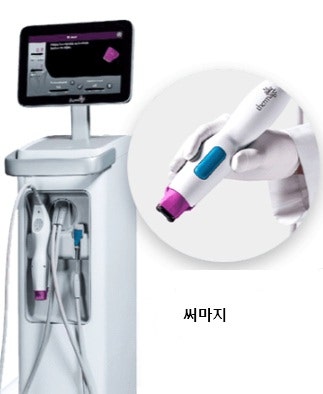
As the demand for lifting treatments continues to grow,
a wide variety of lifting devices have been introduced.
Among them, radiofrequency (RF) lifting devices are now widely used.
Representative devices include:
Thermage
Densiti
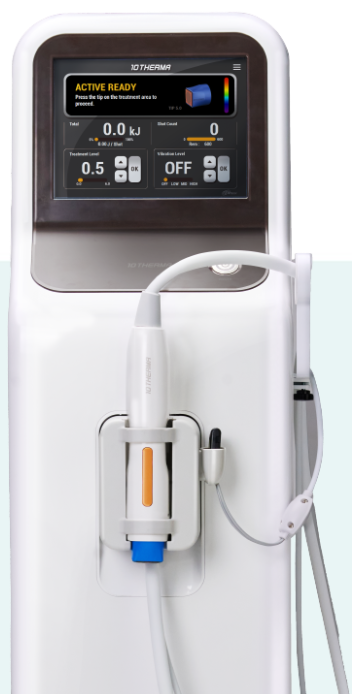
XERF
Tenserma
among others.
Today, let me explain the principles and characteristics of XERF lifting.


How does lifting treatment work?
One of the main reasons skin begins to sag with age
is the change in collagen structure within the skin.
The dermis contains
collagen
elastic fibers
which serve as the skin's structural support.
Over time, however,
collagen levels decrease,
the fiber structure weakens,
and skin elasticity gradually diminishes.
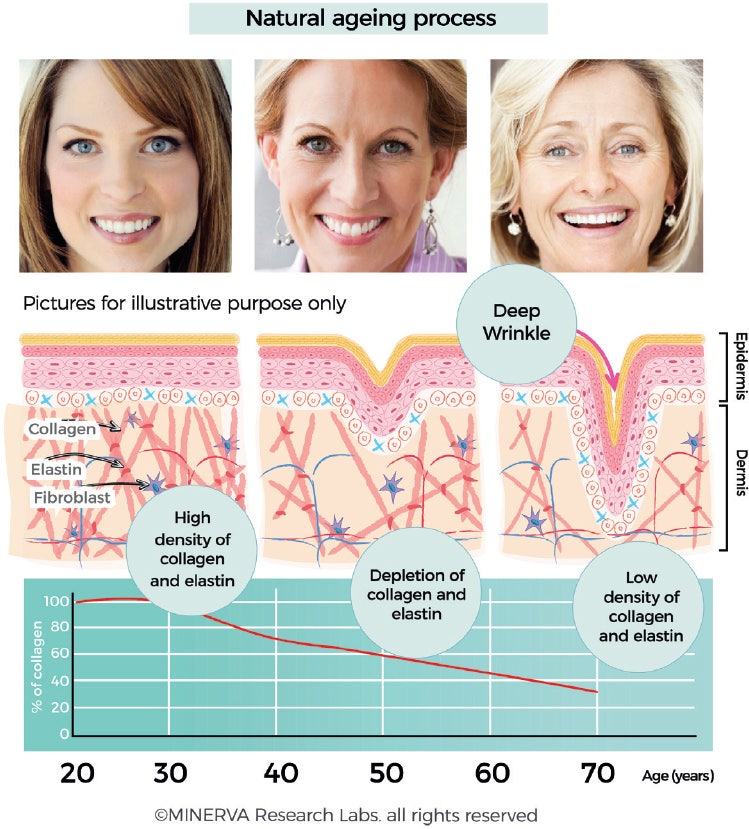
As a result, changes such as
jawline sagging
cheek sagging
fine lines
begin to appear.
Lifting treatments aim to address these changes by
stimulating and promoting regeneration of collagen within the skin.
The Principle Behind XERF Lifting
XERF is a lifting device that utilizes radiofrequency (RF) energy.
When RF energy is delivered to the skin,
thermal energy is generated through the electrical resistance of the tissue.
As this heat penetrates into the skin, it triggers:
① Collagen contraction
② Tissue tightening
③ Collagen regeneration
Over time, this leads to a gradual improvement in skin elasticity.
[ Collagen Remodeling Process ]
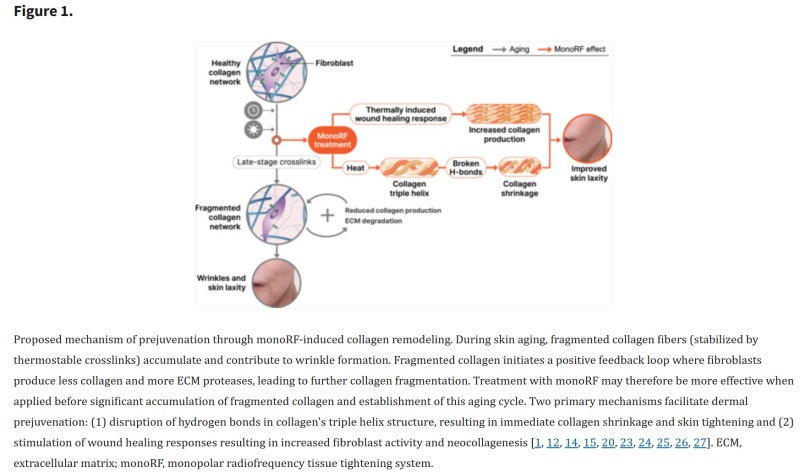
As skin aging progresses, collagen does not simply decrease in quantity —
it becomes fragmented and accumulates in a disorganized arrangement.
When this pattern repeats, the structural support of the skin weakens,
allowing wrinkles and sagging to progressively worsen.
Monopolar RF introduces thermal stimulation to this skin environment,
which can trigger a remodeling process that reorganizes collagen structure.
The Two Key Effects of RF Lifting
RF lifting can be understood through two phases of effect.
① Immediate effect
When RF heat is delivered, collagen fibers contract,
which can produce a mild tightening effect immediately after the treatment.
② Delayed effect
The skin then begins a natural recovery process.
During this phase:
fibroblast activation
new collagen production
collagen rearrangement
occur, gradually improving skin elasticity.
This is why, with RF lifting,
many patients notice better results around 2 to 3 months after treatment.
Characteristics of XERF Lifting
1️⃣ RF Frequency and Energy Delivery Properties
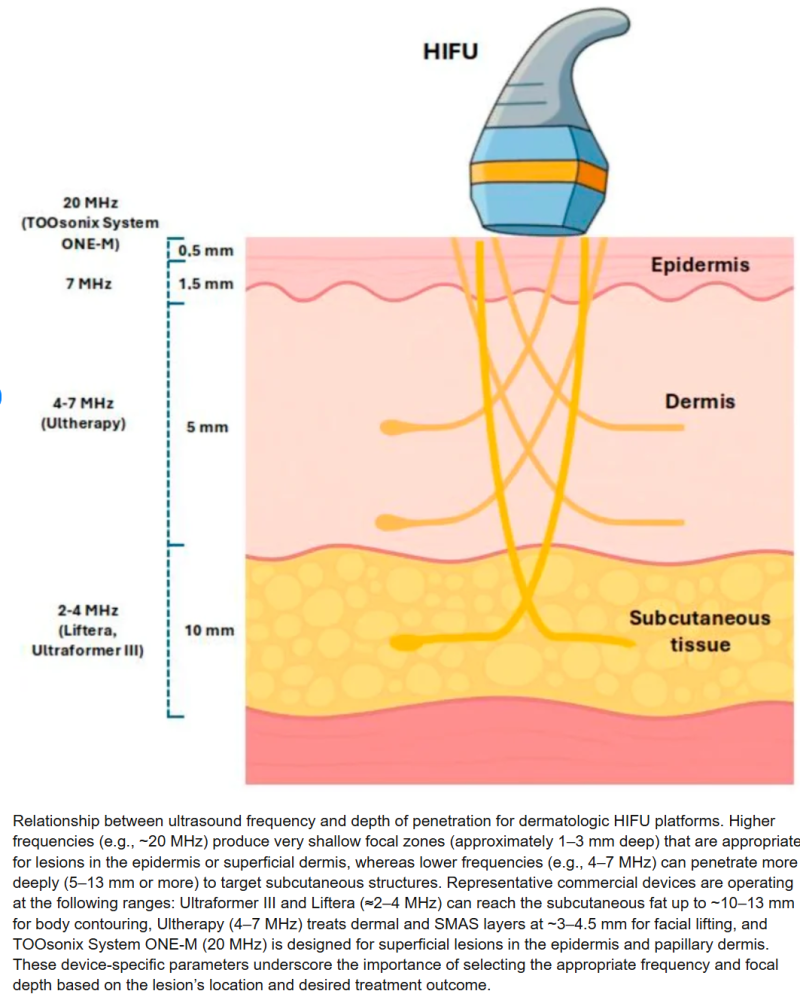
RF (radiofrequency) energy generates heat through the electrical resistance of tissue when delivered to the skin.
The key concept here is frequency.
In general:
Higher frequency → tends to act on relatively shallower layers
Lower frequency → capable of reaching relatively deeper layers
Of course, in actual clinical practice,
various factors such as skin thickness, fat volume, and impedance all play a role —
👉 but the principle that frequency influences the depth at which energy acts
is an important fundamental concept.
2️⃣ Characteristics of Conventional Monopolar RF (Single Frequency)
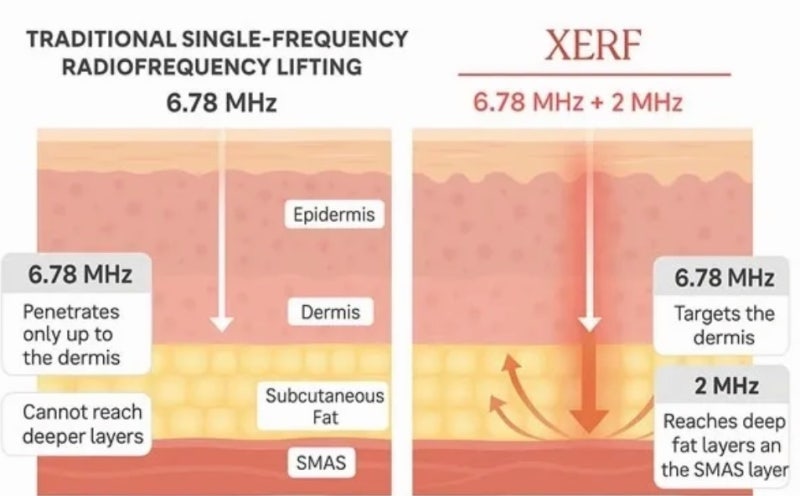
Most conventional monopolar RF devices (such as Thermage and Densiti)
use a single frequency.
In this case, the energy
👉 tends to be delivered around one central target depth.
This makes them effective for
dermal collagen remodeling
skin tightening
elasticity improvement —
👉 but there can be structural limitations when it comes to addressing multiple skin layers simultaneously.
Another important point is that
with single-frequency RF, reaching deeper layers requires higher energy settings,
which can increase surface heat sensation and discomfort during treatment.
In other words, 👉 a balance must be struck between 'depth vs. safety vs. discomfort.'
3️⃣ XERF's Dual Frequency Structure
Unlike conventional RF devices,
👉 XERF uses a dual-frequency structure of 6.78 MHz and 2 MHz simultaneously.
The role of each frequency:
6.78 MHz → precise heating focused on the dermis
2 MHz → energy that reaches deeper tissue layers
With both working simultaneously,
👉 multi-depth heating occurs — heating multiple layers at the same time.
4️⃣ Why Does This Structure Matter?
Where conventional single-frequency RF concentrates on one depth,
XERF simultaneously stimulates multiple depths.
This difference can translate into a difference in actual skin response.
For example:
Superficial layer → skin texture, fine lines
Mid layer → collagen density
Deeper layer → structural tightening
Each plays a different role —
👉 which means stimulating multiple layers simultaneously
can lead to a more natural and balanced lifting result.
5️⃣ Differences in Energy Delivery
Another important distinction is how heat is generated.
Rather than simply 'shooting heat' at the skin,
👉 RF works by generating heat internally
👉 through the tissue's own resistance (impedance) — a process known as Joule heating.
XERF is designed so that its dual-frequency structure
generates heat at different depths simultaneously,
creating a more even and uniform heat distribution overall.
This helps
👉 reduce 'hot spots' where heat becomes concentrated in specific areas,
👉 promoting more stable and consistent energy delivery.
6️⃣ In Summary
Conventional monopolar RF:
👉 One frequency → one central target depth
👉 A relatively straightforward energy delivery structure
XERF:
👉 Two frequencies → simultaneous stimulation of multiple depths
👉 Multi-depth heating structure
7️⃣ What This Means in Clinical Practice
This difference is not simply a spec difference —
👉 it can translate into a difference in 'how' the skin responds.
Single frequency → remodeling focused on a specific layer
Dual frequency → balanced remodeling across multiple layers
In other words,
👉 the approach is not about going stronger,
👉 but about stimulating more broadly and more evenly.
✔️ Key Takeaway
When it comes to lifting treatments,
👉 the type of device matters —
but even more important are:
✔ Which layers are being targeted
✔ How the energy is being delivered
✔ How the treatment is designed
That is why, even with the same RF device,
👉 understanding the structure and principles behind it
makes a significant difference in outcomes.
👉 Coming Up Next
In the next article, I will explain 'Why Design Matters in XERF Lifting.'
I will walk through why
shot placement,
facial structure analysis,
and a retaining ligament-centered approach
are so important — from a clinical perspective.